Area Man Prepared to Die for Every Amendment in the Bill of Rights Except the Third
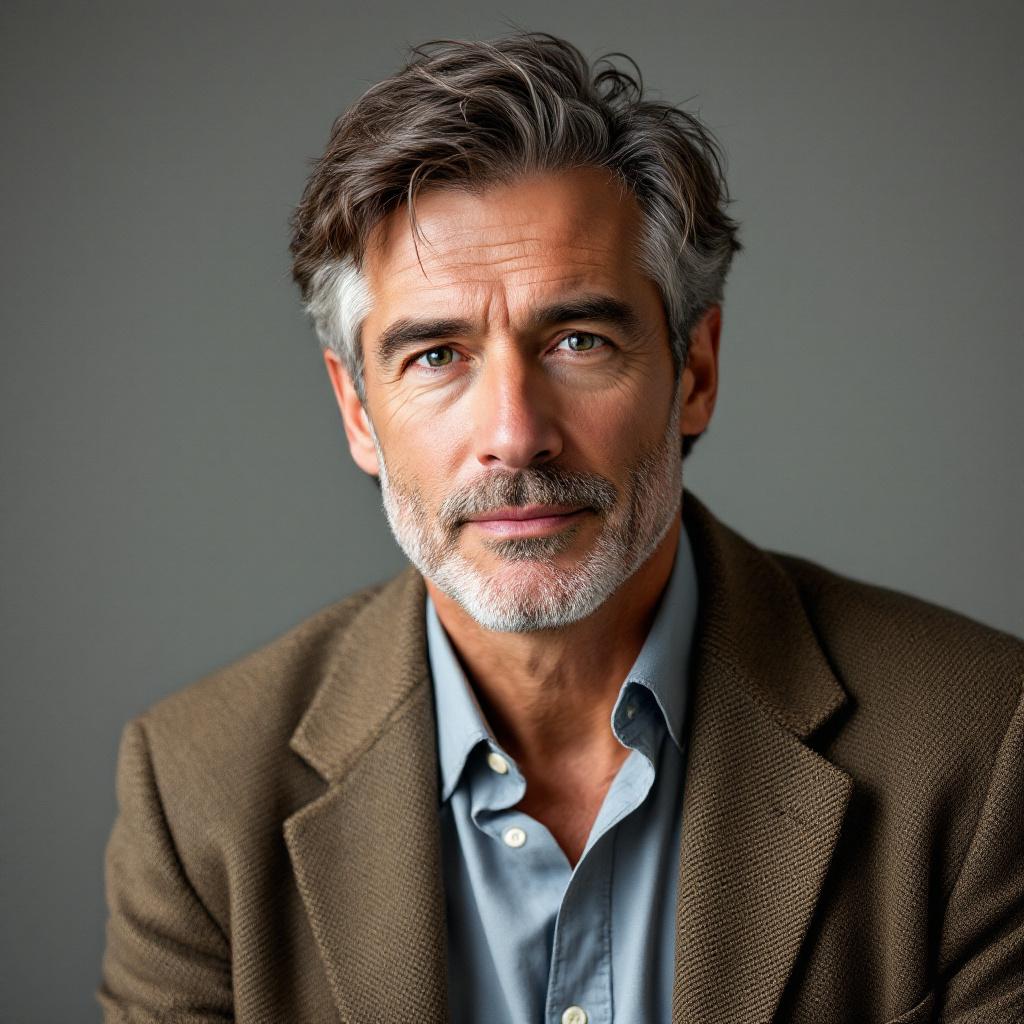
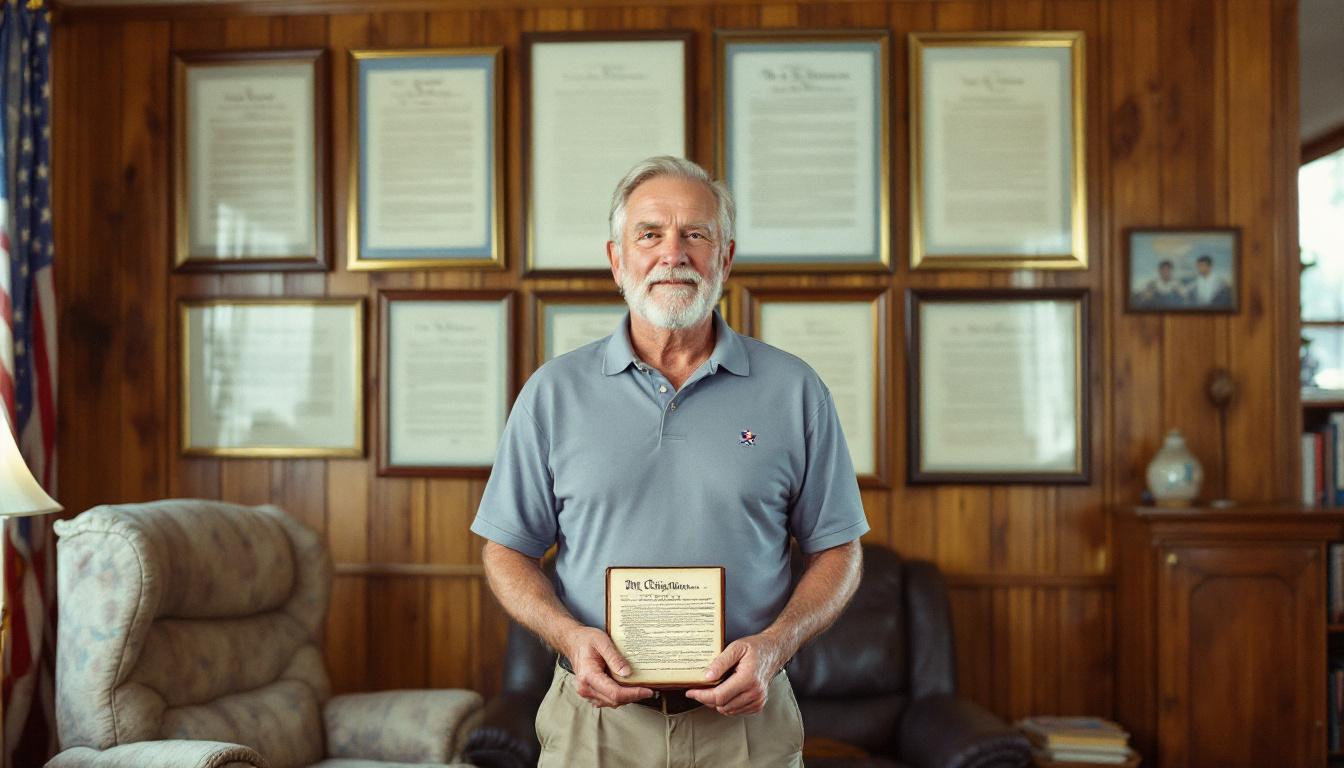
KETTERING, Ohio — The pocket Constitution that Glenn Caldwell carries at all times — in a custom leather sleeve monogrammed with his initials — has a small piece of electrical tape over one section. It covers, precisely, the Third Amendment, which prohibits the quartering of soldiers in private homes without the owner’s consent. Mr. Caldwell, 54, a retired HVAC technician who describes himself as “a constitutionalist in the fullest sense, with one exception,” does not like to talk about it.
He will, however, talk about everything else.
On a Tuesday afternoon in his Kettering ranch house, Mr. Caldwell spent the better part of two hours walking a visitor through his interpretive framework of the Bill of Rights, a document he regards as “the single greatest achievement in the history of human governance.” He began with the First Amendment, which he discussed for forty-five minutes, touching on the establishment clause, the free exercise clause, the speech and press protections, and the right to peaceably assemble, which he called “the one that gets you out of a parking ticket if you know how to argue it.” He moved to the Second Amendment, which occupied another thirty minutes and included a digression about muzzle velocity. He then skipped to the Fourth.
“The Fourth Amendment,” Mr. Caldwell said, leaning forward in a recliner positioned beneath a framed copy of the Sixth Amendment, “is where the Founders really showed what they were made of. Unreasonable search and seizure. That’s the ballgame right there.”
When asked about the amendment he had passed over, Mr. Caldwell adjusted his glasses, looked briefly at the ceiling, and said, “I don’t see the relevance.”
It is, by any measure, a selective devotion. Mr. Caldwell has, over the past eleven years, written more than three hundred letters to elected officials advocating for stronger protections under the First, Second, Fourth, Fifth, Sixth, Seventh, Eighth, Ninth, and Tenth Amendments. He has attended rallies. He has appeared on two local AM radio programs. He has, according to his wife, Denise, “made the mailman uncomfortable on more than one occasion” by handing him unsolicited literature about the Fifth Amendment’s due process clause.
He has never once, in any context, public or private, voluntarily mentioned the Third Amendment.
“It’s not that he’s against it,” Mrs. Caldwell said, standing in the kitchen while her husband organized a shelf of constitutional law paperbacks in the adjacent room. “He just gets this look. Like you’ve brought up an uncle nobody talks to anymore.”
Constitutional scholars contacted for this article expressed varying degrees of bewilderment. “The Third Amendment is arguably the least controversial provision in the entire document,” said Dr. Alan Rourke, a professor of constitutional history at Ohio State University. “It has generated almost no case law. There is essentially no active political movement to repeal it. It is, in the most literal sense, inoffensive.”
Mr. Caldwell, when presented with Dr. Rourke’s assessment, said only: “I’m sure he’s very accomplished.”
Friends and fellow members of the Miami Valley Constitutional Preservation Society, a group Mr. Caldwell co-founded in 2019, said his omission had become a kind of open secret. “We did a reading of the full Bill of Rights at our Fourth of July picnic last year,” said Dennis Khoury, the group’s treasurer. “Glenn read every amendment except that one. He just handed the card to the next person and said, ‘You take this one.’ Nobody asked why. It felt like a funeral.”
Mr. Khoury added that Mr. Caldwell had once proposed amending the group’s bylaws to focus its advocacy efforts on “the nine amendments that matter,” a motion that was tabled without discussion.
When pressed — gently, and over the course of several attempts — on his reasoning, Mr. Caldwell offered only fragments. He called the Third Amendment “a product of its time.” He said it was “not where the energy is.” At one point he said, quietly, “If you need the government to tell you not to put a soldier in your house, I don’t know what to tell you,” a statement that seemed to contain the seeds of a position but that he declined to elaborate on.
His copy of The Federalist Papers, which sits on the end table beside his recliner, is extensively annotated. Federalist No. 3, which touches on the dangers of standing armies, has no markings at all. The page is clean. It is, in its own way, the loudest page in the book.