Multiverse Researcher Finds That 95 Percent of People, if Raised in a Tribe of Cannibals, Would Become Cannibals
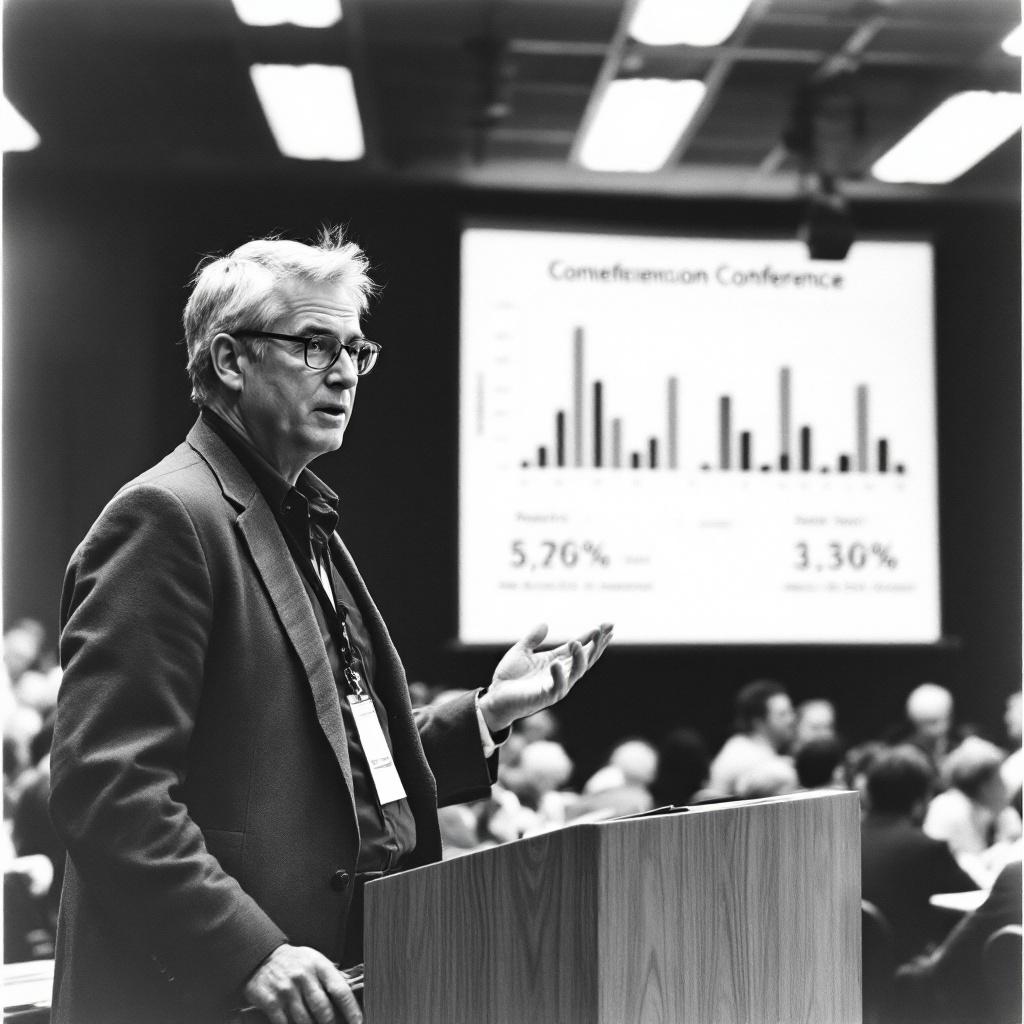
CHICAGO — A researcher specializing in cross-dimensional behavioral modeling has concluded that 95 percent of the human population, if transplanted at birth into a society that practices cannibalism and raised within its cultural norms, values, and dietary traditions, would themselves become cannibals, according to a study published Monday in the journal Proceedings of the Institute for Parallel Anthropological Sciences.
The study, conducted by Dr. Harlan Speece, a senior fellow at the Northwestern Center for Multiverse Behavioral Studies, analyzed behavioral data extrapolated from 847 simulated parallel realities in which test subjects were introduced to cannibal-practicing communities during the critical developmental window of infancy through early childhood. Across all 847 simulations, the subjects demonstrated a statistically robust tendency to adopt the alimentary customs of their communities, including the full suite of associated rituals, preparation methods, and social etiquette surrounding human consumption. “The data are quite consistent,” Dr. Speece said at a press conference Monday, gesturing toward a laminated poster. “People eat what their communities eat. This has always been true. We have now confirmed it across dimensions.”
The findings have generated significant discussion within the academic community, with several scholars noting that the results were, in their words, “not entirely surprising” while simultaneously affirming that the research represented an important methodological contribution. “Dr. Speece has done something very rigorous here,” said Dr. Miriam Okafor, chair of the Department of Comparative Cultural Cognition at the University of Michigan and a peer reviewer on the study. “The multiverse apparatus is expensive to operate, and the fact that he used it to test this specific hypothesis shows a level of commitment to the question that I think deserves acknowledgment.” Dr. Okafor declined to speculate on what the results implied about human nature, describing the subject as “philosophically adjacent to my expertise.”
The remaining 5 percent of subjects who did not adopt cannibal practices were described in the study’s supplementary materials as having demonstrated “alternate adaptive strategies,” including in several simulations what Dr. Speece characterized as “a kind of negotiated abstention.” He cautioned against reading too much into the outlier population, noting that the variance was within acceptable margins and that follow-up research was planned for fiscal year 2028, pending grant renewal from the Federal Bureau of Speculative Science Funding, which confirmed the application was under review.