Federal Reserve Chairman Calls Human Reproduction 'Economically Unjustifiable,' Cites Absence of Any Viable Use Case for Infants
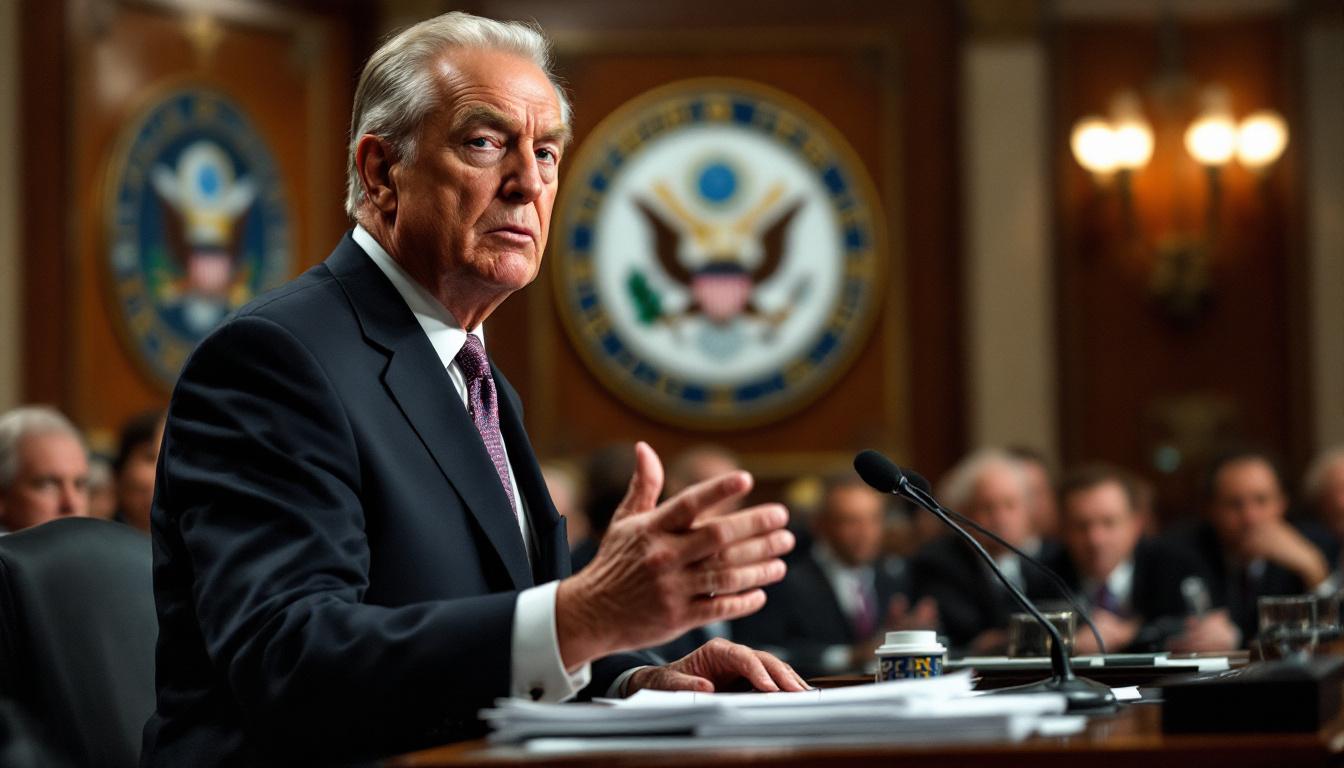
WASHINGTON — Federal Reserve Chairman Gerald Posch delivered what economists are calling his most consequential policy statement in years on Thursday, when he formally criticized the practice of human reproduction on the grounds that infants serve no identifiable economic function and represent, in his words, “a drag on household balance sheets with no foreseeable upside.”
“We have conducted a thorough analysis of the infant as an economic unit,” Chairman Posch said at a press conference following the Federal Open Market Committee’s rate decision, “and the findings are, frankly, difficult to defend. They eat. They produce waste — across multiple categories, with remarkable consistency. They vomit, often without provocation. They cry. That is the complete list of outputs.” He paused to review his notes. “We found no others.”
The remarks drew immediate attention from demographers, pediatricians, and parents, many of whom acknowledged that the chairman’s characterization of infants was, on its face, accurate, while questioning whether productivity was the appropriate metric by which to evaluate a human being in the first eighteen months of life. Dr. Constance Millward, a senior research fellow at the Brookings Institution’s Center for Labor and Human Capital, said the Fed’s framework, while rigorous, may have overlooked certain long-run considerations. “They do eventually become workers,” she said. “Most of them.”
Chairman Posch, when asked about the long-term labor supply implications of discouraging reproduction, said the Fed remained data-dependent. “We are not making a permanent recommendation,” he clarified. “We are simply observing that, at present, a newborn contributes nothing to GDP, requires continuous resource allocation, and cannot be depreciated on a standard schedule. If the data changes, we will update our guidance accordingly.” He added that the Fed would continue to monitor the situation and stood ready to act.